SHGs – A Brief Introduction
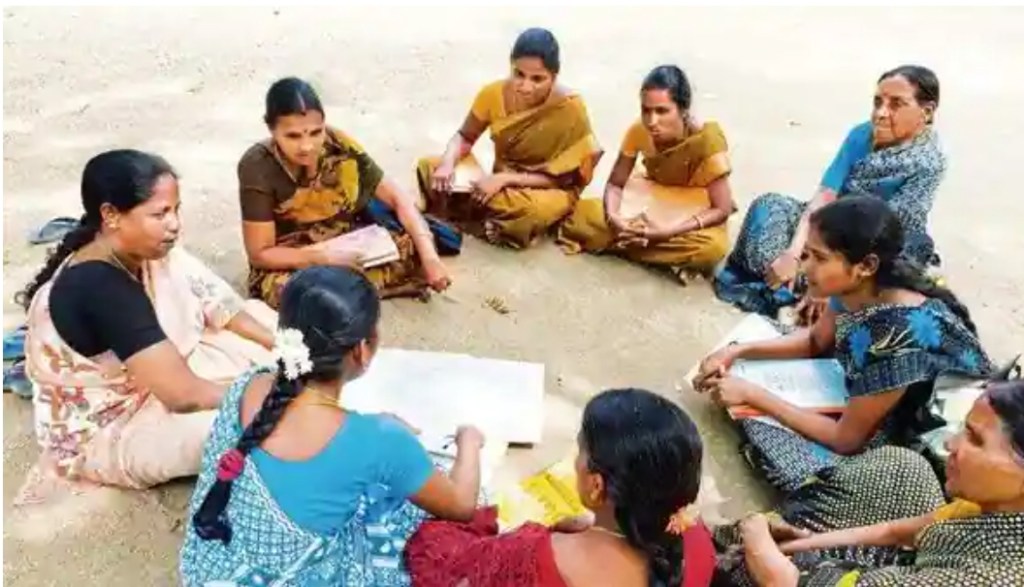
A self help group is a village based financial intermediary committee usually composed of 10-20 local woman. The members make small regular saving contributions for a few months until there is enough capital in the group for lending. Funds may then be lent back to the members or other villagers . These SHGs are then further ‘linked’ to banks for delivery of micro credit. It lays emphasis on capacity building, planning of activity clusters, infrastructure build up, technology ,credit and marketing.
Need for SHGs
- The very existence of SHGs acts a great boost to make the poor self reliant and to give them hope.
- Not only do the SHGs help in increasing their income, improving their status in the society but it’s ultimately the nation that reaps the advantages of socialism.
- The harsh reality is that rural poverty and unemployment still persist in the society and women’s earnings positively and directly affect a family’s financial condition
- Social conventions and gender ideology deprive women of the access to resources which would enable them to increase productivity.
Objectives of SHGs
- The basic objective is to inculcate the habit of saving and using banking facilities among the members. The saving habit thus strengthens the bargaining capacity of the women and they are in a better position to acquire loans for productive purposes. The women gain from collective wisdom in managing their finances and distributing the benefits among themselves.
- The SHG play a major role in sensitising more women to form SHGs and in making them realise its importance in their empowerment. This helps the women collective decision making and also to enhance the confidence and capabilities of the women.
- These groups go a long way in motivating women to take up social responsibilities particularly related to women development. SHGs are considered as one of the most significant tools to adopt participatory approach for the economic empowerment of women.
- Lastly , the most important change that the SHG culture has brought in the country is to change the gender dynamics of power within a family and ultimately the society at large. They now have greater say in the family matters and also are seen as stakeholders and partners in taking the community forward. The financial independence has eventually paved the way for societal upliftment of women and their voices
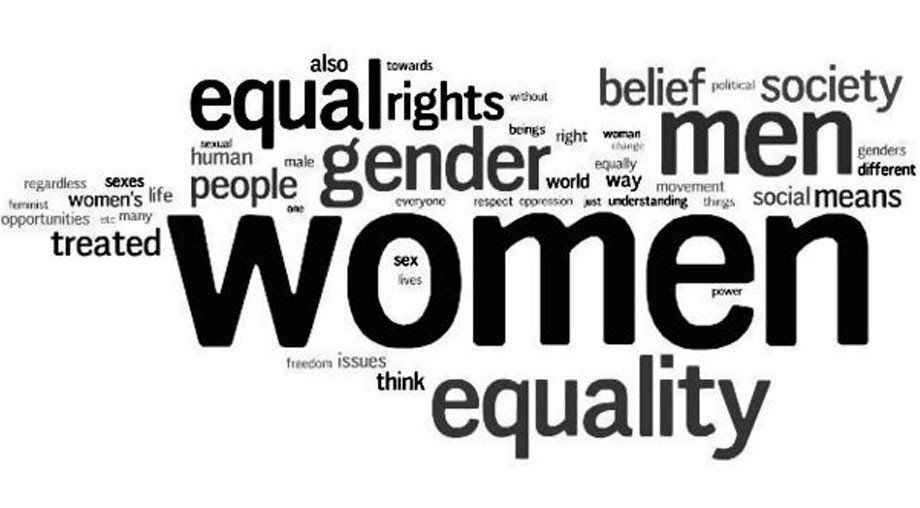
 Women empowerment